
Jaw-muscle care
TMJ Therapy and Jaw Pain Treatment in Sarasota, FL
Jaw pain, facial muscle tension, headaches, clenching, grinding, or difficulty opening your mouth can interfere with eating, speaking, sleeping, and everyday comfort.
At Tranquil Dental in Sarasota, we take a careful and conservative approach to evaluating jaw-joint and muscle-related concerns. Our goal is to identify whether your symptoms may be related to the jaw joints, chewing muscles, clenching or grinding habits, or another source so that we can recommend the most appropriate next step.
We welcome patients from Sarasota, Siesta Key, Palmer Ranch, and Lakewood Ranch who are experiencing jaw pain, facial muscle tension, clenching, grinding, or other symptoms associated with temporomandibular disorders.
What Is TMD?
TMD stands for temporomandibular disorders, a group of conditions that can affect the jaw joints, the muscles used for chewing, or both.
The temporomandibular joint, commonly called the TMJ, is the joint located just in front of each ear that connects the lower jaw to the skull. These joints work together with the surrounding muscles to allow you to open and close your mouth, chew, speak, and yawn.
The terms TMJ and TMD are often used interchangeably in everyday conversation, but technically TMJ refers to the joint itself, while TMD refers to disorders involving the joint, chewing muscles, or related structures.
Common Signs and Symptoms of TMD
TMD can present differently from one patient to another.
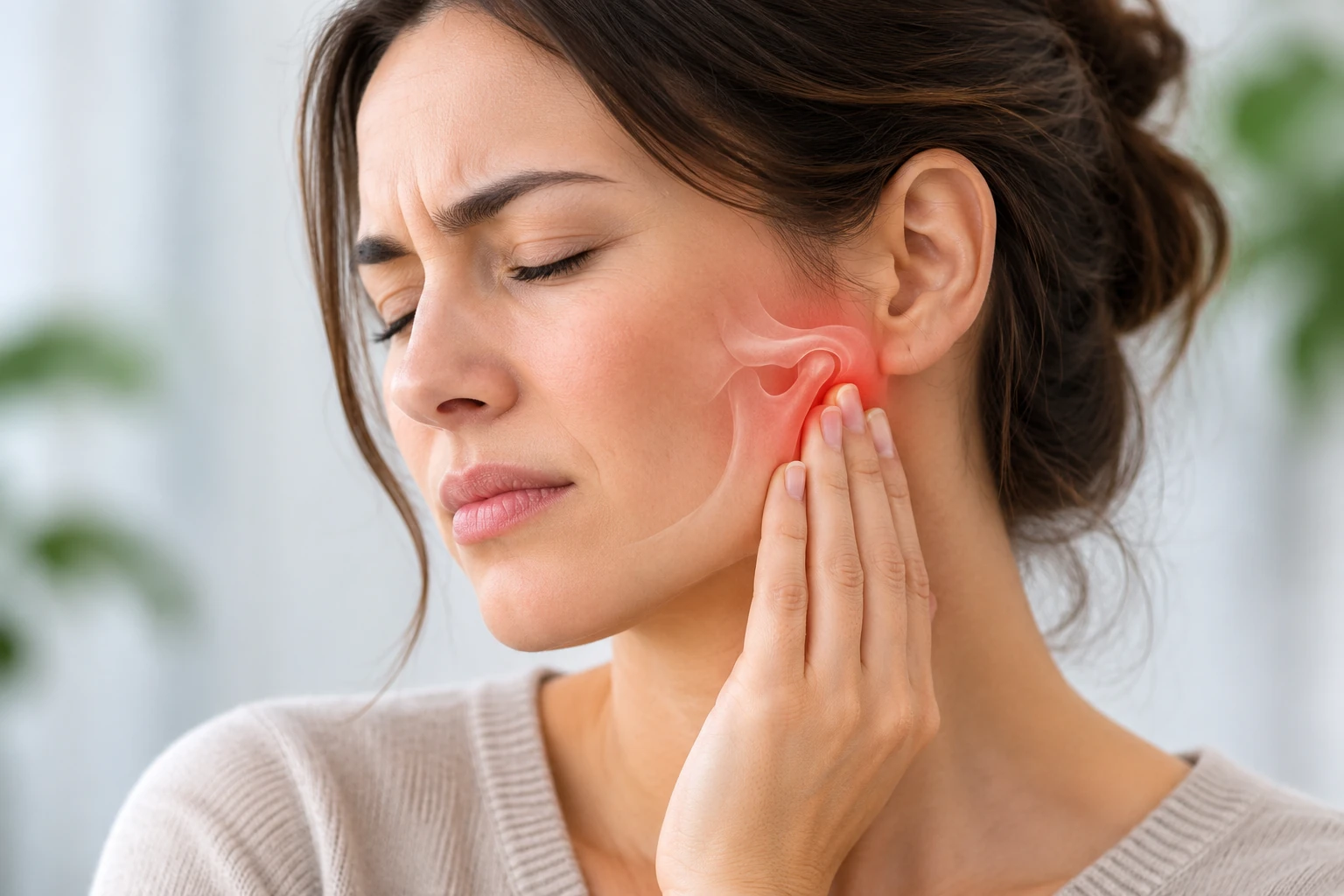
Possible symptoms may include:
- Pain or tenderness in the jaw joints
- Soreness or tension in the chewing muscles
- Facial pain or aching
- Pain that extends into the face or neck
- Jaw stiffness
- Difficulty opening the mouth comfortably
- Limited jaw movement
- Jaw locking
- Painful clicking or popping
- Discomfort while chewing
- Frequent clenching or grinding
- Headaches associated with jaw or facial muscle tension
- A sensation that the bite feels different
Clicking or popping by itself does not necessarily mean that treatment is needed. Jaw-joint sounds without pain or limitation of movement are common.
A clinical evaluation can help determine whether symptoms are likely related to the jaw joint, surrounding muscles, or another condition.
How TMD Can Affect Everyday Life
Jaw discomfort can affect much more than chewing.
For some patients, muscle tension or joint discomfort makes it difficult to open the mouth comfortably, eat certain foods, yawn, or speak for extended periods.
Jaw-related muscle tension may also occur alongside facial soreness, neck discomfort, or headaches.
Persistent discomfort can also interfere with sleep, concentration, work, and other daily activities.
Because facial pain and headaches can have many different causes, it is important not to assume that every headache or facial symptom originates from the TMJ. Our goal is to evaluate the jaw and surrounding structures carefully and determine whether they may be contributing to your symptoms.
What Can Contribute to Jaw Pain and Muscle Tension?
TMD does not have one single cause.
Jaw-joint or muscle symptoms may be associated with a variety of factors, including:
- Clenching or grinding the teeth
- Overuse of the chewing muscles
- Jaw muscle tension
- Stress-related oral habits
- Trauma or injury to the jaw
- Joint irritation or inflammation
- Problems involving the joint disc or surrounding structures
- Certain habits such as frequent gum chewing or nail biting
In many cases, several factors may contribute to symptoms at the same time.
Our focus is on identifying the factors that may be relevant to your individual situation rather than assuming that every patient has the same cause.
How We Evaluate TMJ and Jaw Pain
A thorough evaluation begins with understanding your symptoms and how they affect your daily life.
At Tranquil Dental, your evaluation may include:
- Reviewing where and when your pain occurs
- Discussing clenching or grinding habits
- Evaluating how comfortably you can open and close your mouth
- Examining jaw movement
- Evaluating tenderness in the chewing muscles
- Examining the jaw joints
- Listening or feeling for clicking, popping, or other joint sounds
- Evaluating the teeth for signs of grinding or excessive wear
- Assessing the way the teeth come together
- Reviewing relevant dental and medical history
Diagnostic imaging may be recommended when appropriate depending on the nature of your symptoms and clinical findings.
Because jaw and facial pain can sometimes come from conditions unrelated to TMD, additional medical, physical-therapy, or specialist evaluation may occasionally be appropriate.
Conservative TMJ Therapy at Tranquil Dental
For many patients with jaw-joint or muscle-related symptoms, treatment begins with conservative and reversible approaches.
Depending on your individual condition, recommendations may include:
- Awareness and reduction of clenching or grinding habits
- Temporarily avoiding foods that require excessive chewing
- Limiting gum chewing
- Applying heat or cold when appropriate
- Gentle jaw stretching or exercises when appropriate
- Relaxation of the jaw and facial muscles
- A custom oral appliance when clinically indicated
- Physical therapy or specialist referral when appropriate
Treatment recommendations depend on your symptoms, diagnosis, dental condition, and clinical findings.
Our goal is to begin with the least invasive appropriate approach and monitor how your symptoms respond.
Jaw Exercises and Gentle Stretching
For some patients, gentle jaw exercises and stretching may be helpful as part of a conservative approach to jaw muscle tension, stiffness, or limited movement.
These exercises are intended to encourage comfortable movement and relaxation of the muscles involved in chewing.
Jaw exercises should be performed gently and within a comfortable range of motion. Movements that increase pain or soreness should be avoided.
The specific exercises that are appropriate may vary depending on the cause of your symptoms, so exercises should be selected based on your individual condition.
Custom Oral Appliances for Clenching and Grinding
For some patients, a custom oral appliance may be recommended as part of a conservative treatment plan.
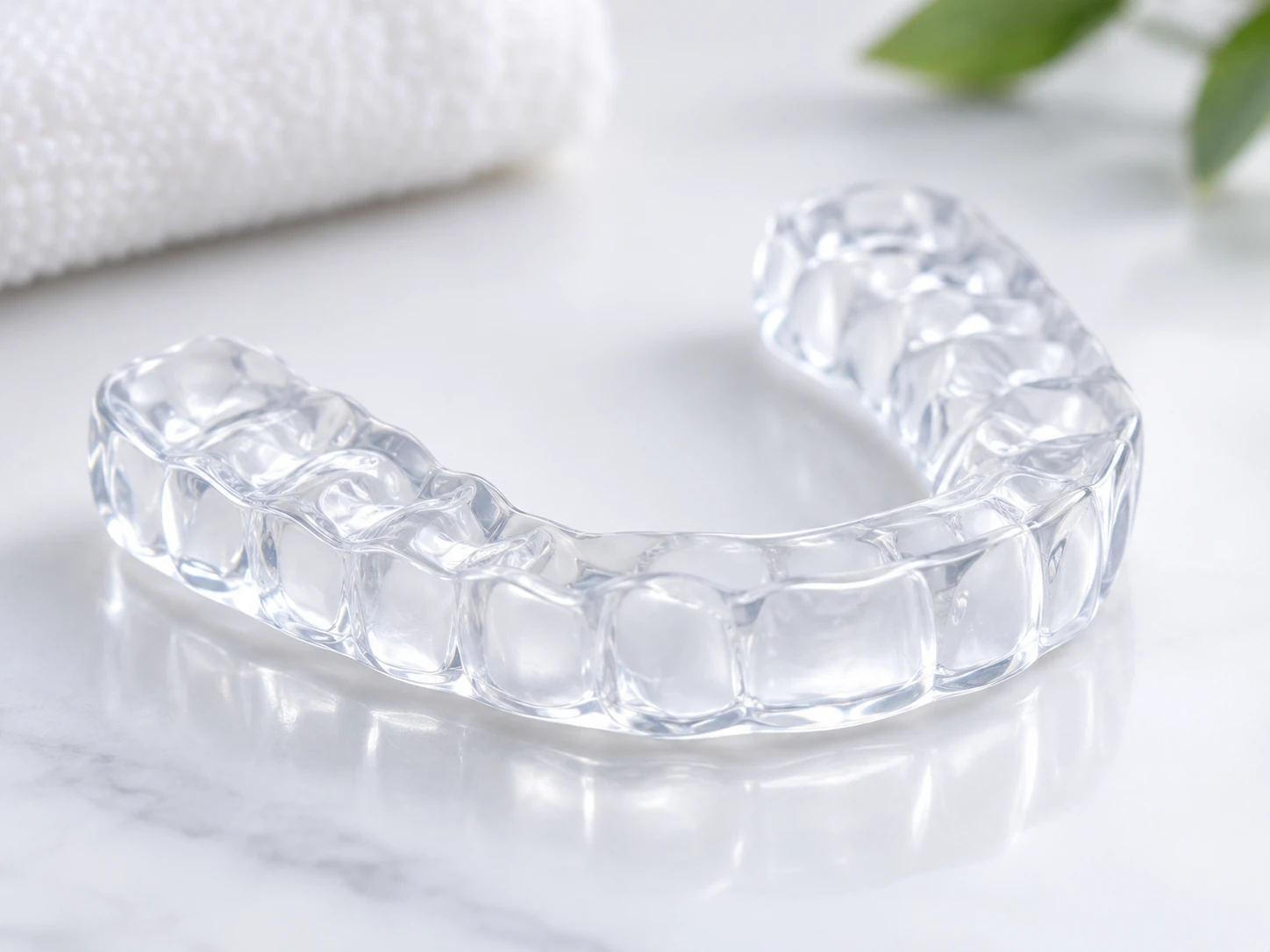
These appliances fit over the teeth and may help protect the teeth from forces associated with clenching or grinding. Depending on the patient’s condition and appliance design, they may also be used as part of a strategy to manage jaw-muscle or joint-related symptoms.
A custom appliance is designed specifically for the patient’s teeth and bite rather than using a generic one-size-fits-all device.
Oral appliances are not intended to permanently change the position of the teeth or alter the bite.
The appropriate appliance depends on the patient’s symptoms, tooth condition, bite, jaw function, and treatment goals.
If an appliance increases discomfort or creates new symptoms, it should be evaluated rather than simply continuing to wear it without assessment.
Botox Treatment for TMD and Jaw Muscle Tension
For selected patients with significant jaw-muscle tension, clenching, or grinding, Botox may be considered as part of an individualized TMD treatment plan.
Botox works by temporarily reducing the activity of targeted muscles. When used in the chewing muscles, treatment may help decrease excessive muscle activity and may reduce muscle tension or discomfort in some patients.
At Tranquil Dental, we provide Botox treatment for appropriate patients with TMD-related jaw-muscle tension after evaluating the patient’s symptoms, muscle activity, dental condition, and overall treatment needs.
For more information about Botox treatment available at Tranquil Dental, visit our Botox and Facial Aesthetics page.
Clenching and Grinding Can Affect More Than the Jaw
Clenching and grinding can place substantial forces on the teeth and chewing muscles.
Over time, these forces may contribute to:
- Tooth wear
- Chipped or fractured teeth
- Damage to existing dental restorations
- Muscle fatigue or soreness
- Jaw discomfort
- Morning facial tension
- Headaches associated with muscle tension
Not every patient who clenches or grinds develops TMD, and not every case of TMD is caused by clenching or grinding.
A dental examination can help identify signs of tooth wear or other changes that may suggest excessive forces are affecting the teeth.
For more information about routine dental evaluation and preventive care, visit our Dental Exams & Cleanings page.
TMJ Pain, Headaches, and Muscle Tension
The muscles used for chewing are connected to a larger network of muscles in the face, head, and neck.
When these muscles become tense, overworked, or painful, some patients may experience discomfort that extends beyond the immediate jaw area.
TMD may be associated with certain types of headaches, facial aching, or neck discomfort. However, headaches have many potential causes, and not every headache is caused by the jaw joints or chewing muscles.
Our evaluation focuses on determining whether jaw function, muscle tenderness, clenching, or other dental findings may be contributing to your symptoms.
When symptoms suggest another source, referral to an appropriate healthcare provider may be recommended.
Why Conservative Treatment Matters
Many TMD symptoms can improve with conservative care.
Because the jaw joints, muscles, teeth, and bite function together as a complex system, treatment should be approached carefully.
Whenever appropriate, we favor reversible treatment options that do not permanently change the teeth, bite, or jaw joints.
Our goal is to improve comfort and function while avoiding unnecessary treatment.
Response to therapy varies between patients, which is why ongoing evaluation and adjustment of the treatment plan may be important.
Is TMJ Therapy Right for You?
Jaw pain, facial soreness, headaches, clicking, clenching, and grinding do not all have the same cause.
The most appropriate treatment depends on the source of your symptoms and the structures involved.
A careful evaluation can help determine whether your symptoms appear to involve the jaw joints, chewing muscles, teeth, clenching or grinding habits, or another condition.
At Tranquil Dental, our goal is to help you understand what may be contributing to your symptoms and recommend an individualized treatment approach when appropriate.
Schedule a TMJ and Jaw Pain Evaluation in Sarasota
If jaw pain, facial muscle tension, clenching, grinding, headaches, or difficulty opening your mouth is affecting your comfort or daily activities, our team at Tranquil Dental can evaluate your concerns and help determine the appropriate next step.
Our approach focuses on careful evaluation and individualized care based on your symptoms and clinical findings.