(941) 366-4553 1215 Beneva Rd, Sarasota, FL 34232

Restorative dentistry

Dental Crowns and Bridges in Sarasota, FL

Dental crowns and bridges can restore teeth that are damaged, weakened, heavily restored, or missing. At Tranquil Dental in Sarasota, we carefully evaluate the condition of your teeth, bite, gums, and existing dental work before recommending the most appropriate restorative option.

Whether you need to protect a weakened tooth, restore a broken tooth, replace an old restoration, or fill the space left by a missing tooth, our goal is to restore comfortable function while creating a natural-looking result that blends with your smile.

We welcome patients from Sarasota, Siesta Key, Palmer Ranch, and Lakewood Ranch who are considering dental crowns or bridges to restore damaged or missing teeth.

What Is a Dental Crown?

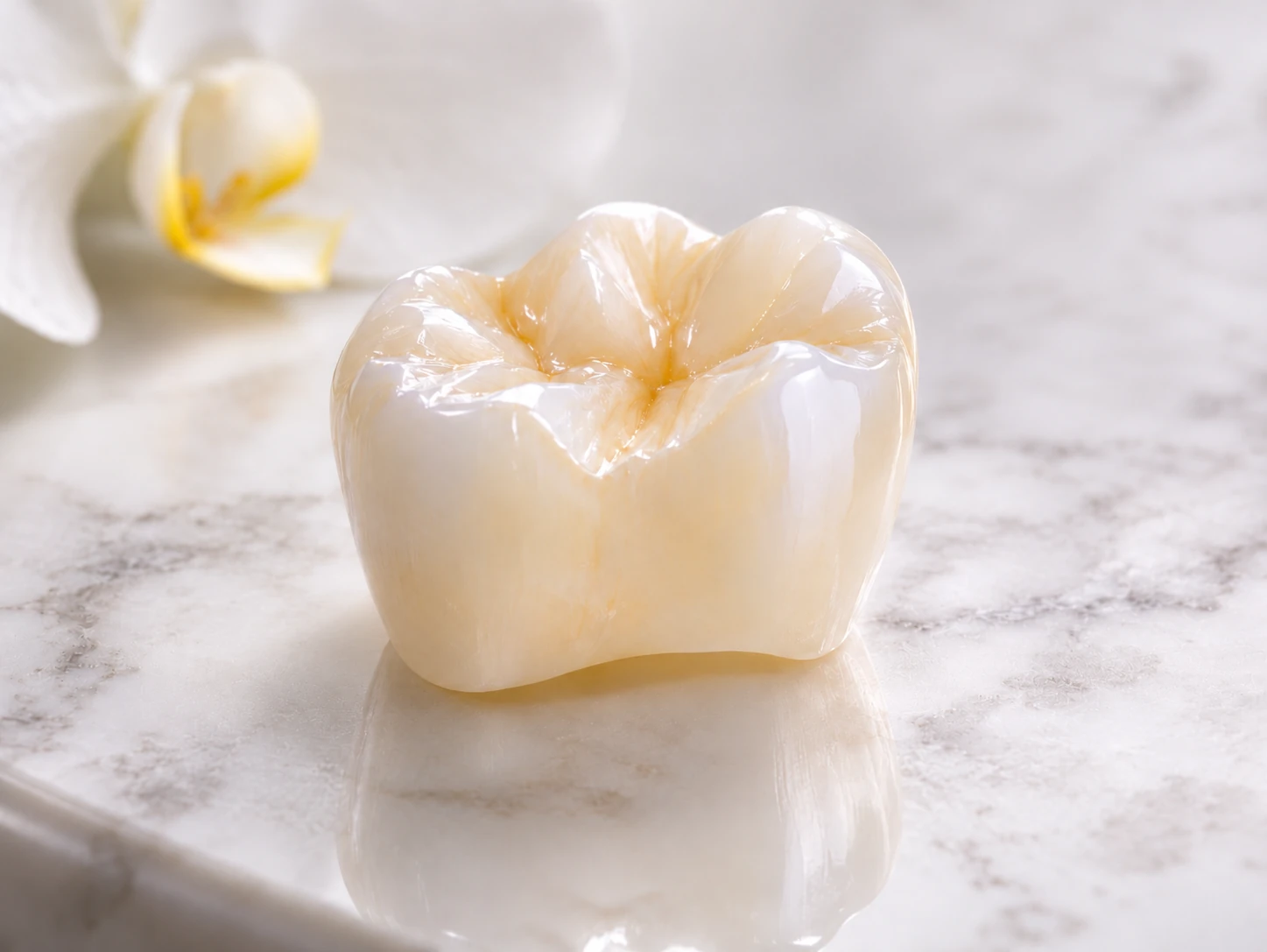
A dental crown is a custom-made restoration that covers and protects the visible portion of a tooth. Crowns can help restore the shape, strength, function, and appearance of teeth that have been significantly damaged or weakened.

A crown may be recommended when a tooth has lost too much natural structure to be predictably restored with a filling or other more conservative treatment.

Highly esthetic dental crown at Tranquil Dental in Sarasota

When Might a Dental Crown Be Needed?

A dental crown may be recommended for:

  • A cracked or fractured tooth
  • A tooth with a large existing filling
  • A tooth weakened by decay
  • A tooth that has undergone root canal treatment
  • A severely worn tooth
  • A broken or failing existing crown
  • A tooth that requires significant restoration of shape or function
  • A dental implant that needs a final crown restoration
  • Certain cosmetic concerns involving tooth shape, proportion, or appearance

The appropriate treatment depends on the condition of the individual tooth, the amount of healthy tooth structure remaining, your bite, and your overall oral health.

Crowns After Root Canal Treatment

Teeth that have undergone root canal treatment may sometimes require a crown to protect the remaining tooth structure and restore normal function.

This is especially important for back teeth, which are exposed to significant chewing forces. The need for a crown depends on the location of the tooth, the amount of remaining natural tooth structure, and the overall condition of the tooth.

Learn more about Root Canal and Endodontic treatment

Replacing an Old or Damaged Crown

Dental crowns do not necessarily last forever. Over time, an older crown may become worn, chipped, loose, or develop problems around its edges.

If you have an existing crown that feels different, becomes sensitive, moves, or no longer looks or functions properly, we can evaluate the crown and the tooth underneath it to determine whether repair or replacement is appropriate.

What Is a Dental Bridge?

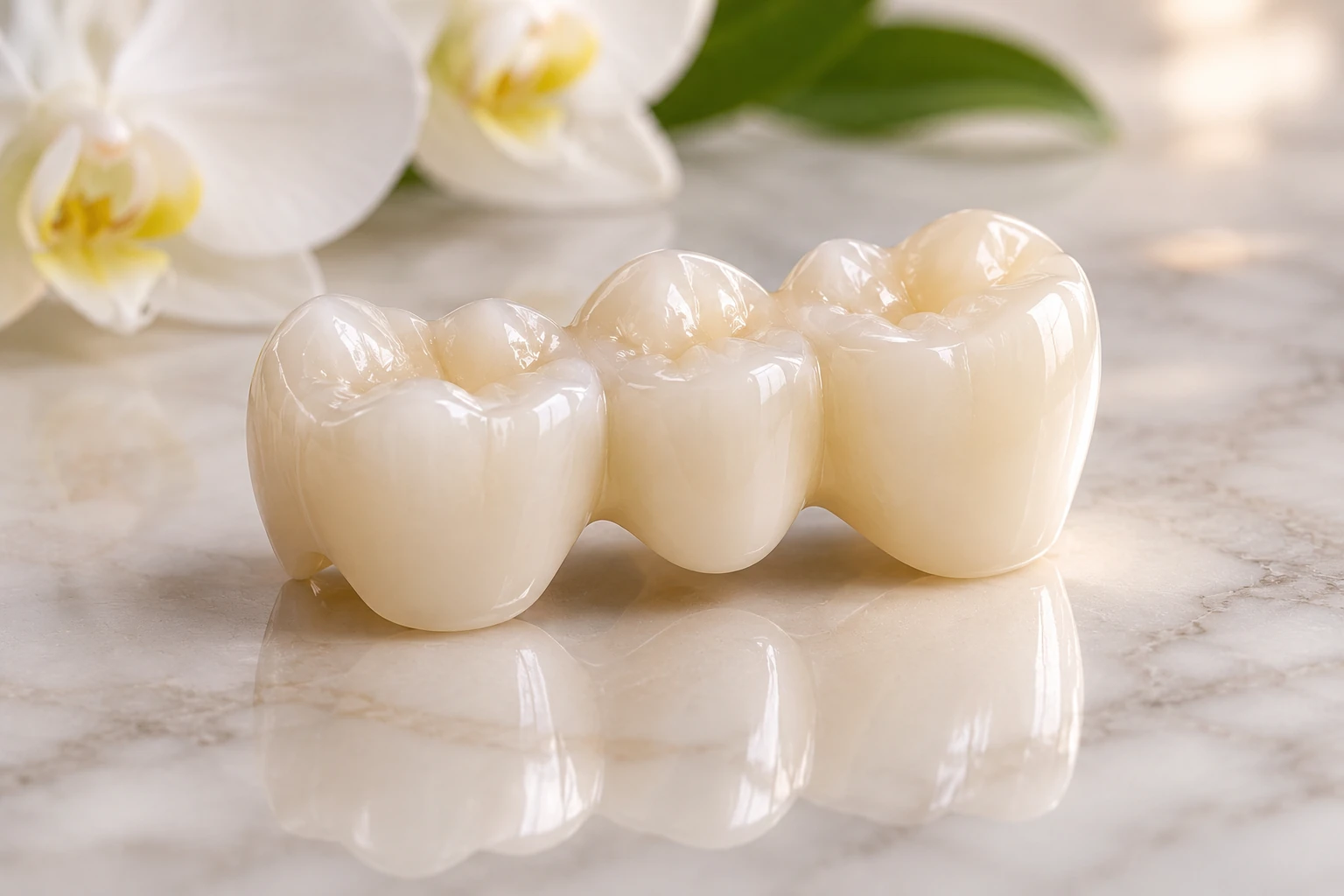
A dental bridge is a fixed restoration used to replace one or more missing teeth. A traditional bridge typically uses the teeth on either side of the missing space for support, with a replacement tooth positioned between them.

Unlike a removable partial denture, a traditional dental bridge is cemented in place and is not routinely removed by the patient.

Highly esthetic dental bridge at Tranquil Dental in Sarasota

When Is a Dental Bridge an Option?

A dental bridge may be considered when:

  • One or more teeth are missing
  • The neighboring teeth can provide appropriate support
  • A fixed restoration is preferred
  • Dental implant treatment is not desired or is not appropriate
  • Existing crowns on neighboring teeth make a bridge a reasonable restorative option

Every situation is different, so we evaluate the condition of the neighboring teeth, gums, bite, and supporting bone before recommending a bridge.

For more information about replacing missing teeth with dental implants, visit our Dental Implants page.

Dental Bridge vs Dental Implant

Dental bridges and dental implants can both replace missing teeth, but they do so in different ways.

A traditional bridge uses neighboring teeth for support. This generally requires those supporting teeth to be prepared for crowns.

A dental implant, by comparison, replaces the missing tooth independently with an implant placed in the jawbone and a restoration attached above it.

Neither option is automatically right for every patient. The best choice depends on factors including the condition of the neighboring teeth, available bone, overall oral health, treatment goals, timeline, and personal preference.

If you are considering replacement of a missing tooth, we can explain the advantages and limitations of both options so you can make an informed decision.

For more information about replacing missing teeth with dental implants, visit our Dental Implants page.

Why Replace a Missing Tooth?

A missing tooth can affect more than the appearance of your smile. Depending on its location, tooth loss may affect chewing, speech, bite relationships, and the position of nearby teeth.

Over time, neighboring teeth may shift toward an open space, and the tooth in the opposing arch may also change position.

Replacing a missing tooth can help restore function and maintain a more stable bite.

Natural-Looking Restorative Dentistry

A successful crown or bridge should do more than simply cover or replace a tooth. We consider tooth shape, proportion, color, bite, and the surrounding teeth when planning your restoration.

Our goal is to create a restoration that feels comfortable, functions properly, and blends naturally with your smile.

Our Crown and Bridge Treatment Process

Comprehensive Examination

We begin by evaluating the tooth or missing-tooth area, surrounding gums, bite, and existing dental work. Diagnostic imaging may be used when appropriate to evaluate structures that cannot be fully assessed during a visual examination.

Learn more about Dental Exams & Cleanings

Treatment Planning

We discuss the condition of the tooth and review the treatment options available. When more than one treatment may be appropriate, we explain the advantages and limitations of each option.

Preparing the Tooth

For a traditional crown or bridge, the supporting tooth or teeth are carefully prepared to create the appropriate space and shape for the restoration.

Digital Impressions or Records

Digital scanning may be used to capture detailed information about the prepared teeth, surrounding teeth, and bite for the design of the final restoration.

Temporary Restoration

When appropriate, a temporary crown or bridge may be placed while the final restoration is being created.

Final Restoration

Once the final crown or bridge is ready, we evaluate its fit, appearance, and bite before securely placing it.

Crowns and Bridges as Long-Term Restorative Treatment

Dental crowns and bridges are designed to be durable, definitive restorations that can restore strength, function, and stability to damaged or missing teeth. When a tooth has been weakened by a large filling, fracture, decay, or root canal treatment, a crown can reinforce and protect the remaining tooth structure, helping the tooth continue to function for many years.

In many cases, a crown can significantly improve the long-term prognosis of a compromised tooth by restoring its shape, strength, and ability to withstand normal chewing forces. Dental bridges can also provide a stable, fixed solution for replacing missing teeth and restoring a more complete and functional bite.

With proper care, crowns and bridges are considered long lasting and can provide reliable function. Because they are supported by natural teeth and surrounding gums, regular brushing, flossing, professional cleanings, and dental examinations remain important for helping them last as long as possible.
Caring for a Dental Crown

A crowned tooth still requires regular oral hygiene and professional dental care.

To help maintain your crown:

  • Brush thoroughly twice each day
  • Clean carefully along the gumline
  • Floss or use appropriate interdental cleaning aids
  • Attend regular dental examinations and professional cleanings
  • Avoid using your teeth to open packages or bite extremely hard objects
  • Let us know if your crown feels loose, painful, or different when you bite

The natural tooth beneath a crown can still develop decay or other problems, so maintaining good oral hygiene remains important.

Caring for a Dental Bridge

Cleaning underneath and around a bridge is especially important because plaque and food debris can accumulate around the supporting teeth and beneath the replacement tooth.

We can show you techniques and cleaning aids that may make it easier to clean beneath your bridge and maintain the health of the supporting teeth and gums.

What If My Crown Breaks or Falls Out?

A broken, loose, or fallen-out crown should be evaluated promptly. The tooth underneath may be sensitive or vulnerable to additional damage.

If you experience a problem with a crown or bridge, contact Tranquil Dental so we can evaluate the restoration and determine whether it can be repaired, recemented, or needs to be replaced.

Learn more about Emergency Dental Care

Is a Crown or Bridge Right for You?

The best restorative treatment depends on the condition of your teeth, gums, bite, and supporting structures.

In some situations, a crown may provide the appropriate protection for a weakened tooth. In others, a filling, veneer, dental implant, bridge, or another treatment may be more appropriate.

Our goal is to recommend treatment based on your individual clinical needs rather than taking a one-size-fits-all approach.

Schedule a Crown or Bridge Consultation in Sarasota

If you have a broken or weakened tooth, an older crown that is causing problems, or a missing tooth that you would like to replace, our team at Tranquil Dental can evaluate your options and help you determine the appropriate next step.